Showing posts with label Plants. Show all posts
Thursday, 17 March 2016
Greenhouse
A greenhouse (also called a glasshouse, or, if with sufficient heating, a hothouse) is a structure with walls and roof made chiefly of transparent material, such as glass, in which plants requiring regulated climatic conditions are grown. These structures range in size from small sheds to industrial-sized buildings. A miniature greenhouse is known as a cold frame. The interior of a greenhouse exposed to sunlight becomes significantly warmer than the external ambient temperature, protecting its contents in cold weather.
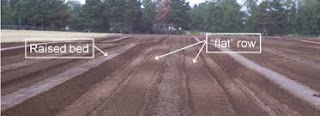
Nursery bed preparation
Saturday, 24 October 2015
Blights
The common names of plant diseases often reflect the type of symptom they cause. If you can identify the symptoms as a blight or wilt, for example, you may be able to successfully take steps to limit the disease, even if you don't know the specific pathogen causing the infection. Here are the most common garden plant diseases and disorders.
Remember: If you're considering applying a spray or dust, take time to identify the specific disease problem first so that you apply the appropriate product at the correct time to be effective.
PLANT DISEASES
Anthracnose
Anthracnose, or bird's-eye spot, is a fungal disease. It causes small dead spots that often have a raised border and a sunken center, and that may have concentric rings of pink and brown.
Bean anthracnose infects beans and other legumes. The symptoms are most obvious on the pods as circular, black, sunken spots that may ooze pink slime and develop red borders as they age. To control, buy disease-free seed, rotate crops, turn under or hot-compost infected plants, and avoid touching plants when they are wet so you won't spread the disease.
Friday, 23 October 2015
Wilts
WILTS
Plants wilt when they don't get enough water. When fungi or bacteria attack or clog a plant's water-conducting system, they can cause permanent wilting, often followed by the death of all or part of the plant. Wilt symptoms may resemble those of blights.
Rusts
RUSTS
Rusts are a specific type of fungal disease. Many of them require two different plant species as hosts to complete their life cycle. Typical rust symptoms include a powdery tan to rust-colored coating. Applying neem oil can help prevent rust by killing spores on the leaves.
Rots
ROTS
Rots are diseases that decay roots, stems, wood, flowers, and fruit. Some diseases cause leaves to rot, but those symptoms tend to be described as leaf spots and blights. Rots can be soft and squishy or hard and dry. They are caused by various bacteria and fungi. Many are very active in stored fruits, roots, bulbs, or tubers.
Cankers
CANKERS
Cankers usually form on woody stems and may be cracks, sunken areas, or raised areas of dead or abnormal tissue. Sometimes they ooze conspicuously, and can girdle shoots or trunks, causing everything above to wilt and die. Blights and diebacks due to cankers look quite similar. Cold-injury symptoms may look like, or lead to the development of, cankers and diebacks.
Thursday, 8 October 2015
Vegetable Crop Farming
Vegetable farming may be pursued at leisure as a hobby or developed from small-scale to a commercial sized one.
If you have a piece of idle land in your backyard, you could try growing some vegetables during your spare time to augment the family's food supply or supplement family income. Starting one is easy as you could just use your usual garden equipment to till the soil for crop growing. Such hobby can eventually be pursued full-time on a commercial scale. A farm a fraction of an acre in size could generate $15,000 in annual sales.
Thursday, 30 October 2014
Moringa; the magic plant
Moringa oleifera has an impressive range of medicinal uses with high nutritional value and medicinal benefits. Different parts of Moringa contain a profile of important minerals and are a good source of protein, vitamins, beta-carotene,
amino acids and various phenolics. Moringa provides a rich and rare combination of zeatin, quercetin, beta-sitosterol, caffeoylquinic acid and kaempferol.
Moringa the magic plant continued
Moringa & Siddha Medicinal Uses and Benefits
In Siddha medicine says that the leaves are full of medicinal properties. The drumstick seeds are used as a sexual virility drug for treating erectile dysfunction in men and also in women for prolonging sexual activity.
Tuesday, 28 October 2014
Moringa; the magic plant continued
Moringa Flowers Medicinal Uses and Benefits
• Flower juice improves the quality and flow of mothers’ milk when breast feeding.
• Flower juice is useful for urinary problems as it encourages urination.
* In Haiti, villagers boil Moringa flowers in water and drink the tea as a powerful cold remedy.
• Flower juice improves the quality and flow of mothers’ milk when breast feeding.
• Flower juice is useful for urinary problems as it encourages urination.
* In Haiti, villagers boil Moringa flowers in water and drink the tea as a powerful cold remedy.
Moringa; the magic plant continued
Moringa Roots, Bark and Gum (Medicinal Uses and Benefits)
The roots and the bark have all of the properties described above but are more concentrated.
Monday, 13 October 2014
About Agriculture
Agriculture (a term which encompasses farming and ranching) is the process of producing food, feed, fiber, fuel, and other goods by the systematic raising of plants and animals.
Subscribe to:
Posts (Atom)